Understanding Nutritional Foundations for Well-being
Explore the science of nutrition and its role in managing body weight through evidence-based, educational content.
Exploring Core Concepts in Nutrition
Nutrition forms the foundation of our physical well-being. Understanding how different nutrients work within the body provides context for making informed choices about food and lifestyle.
This educational resource explores macronutrients and micronutrients, their roles in bodily functions, and how they contribute to overall health. Our aim is to demystify complex nutritional concepts and present them in a clear, accessible manner.
Key Areas Covered
- Macronutrient functions and dietary sources
- Micronutrient importance and food origins
- Energy balance principles
- Lifestyle factors affecting well-being

The Science Behind Energy Balance
Energy Intake
Energy enters the body through food and beverages. Understanding portion sizes, nutritional density, and eating patterns provides context for daily energy consumption.
Energy Expenditure
Energy is utilized through basal metabolism, physical activity, and digestion. These processes occur continuously and are influenced by various lifestyle and biological factors.
Balance and Stability
The relationship between energy intake and expenditure influences body weight. This balance is complex, involving metabolism, genetics, and lifestyle choices.
Lifestyle Factors and Body Weight
Beyond nutrition alone, numerous lifestyle factors contribute to overall well-being and body weight stability.
Essential Lifestyle Components
- Physical Activity: Regular movement supports cardiovascular health, muscle function, and metabolic processes
- Sleep Quality: Adequate rest influences hunger hormones and recovery processes
- Stress Management: Chronic stress affects various physiological systems and eating patterns
- Hydration: Water is essential for numerous bodily functions and overall health maintenance
These factors work interconnectedly, contributing to overall health and well-being beyond weight considerations alone.

Common Misconceptions in Nutritional Guidance
Dietary fats serve important functions in the body, including hormone production, nutrient absorption, and cell function. Different types of fats have varying effects on health. A balanced approach includes incorporating various fat sources.
Carbohydrates are a primary energy source and provide essential nutrients. The type, amount, and context of carbohydrate consumption matters. Whole grain carbohydrates contain fiber and micronutrients that support health.
Skipping meals can lead to overeating later, nutritional deficiencies, and metabolic stress. Regular, balanced eating patterns support stable energy levels and nutrient intake throughout the day.
Physical activity, sleep quality, hydration, and eating patterns all influence metabolic processes. While genetics play a role, lifestyle choices meaningfully affect how the body processes energy.
The Role of Whole Foods in a Balanced Diet
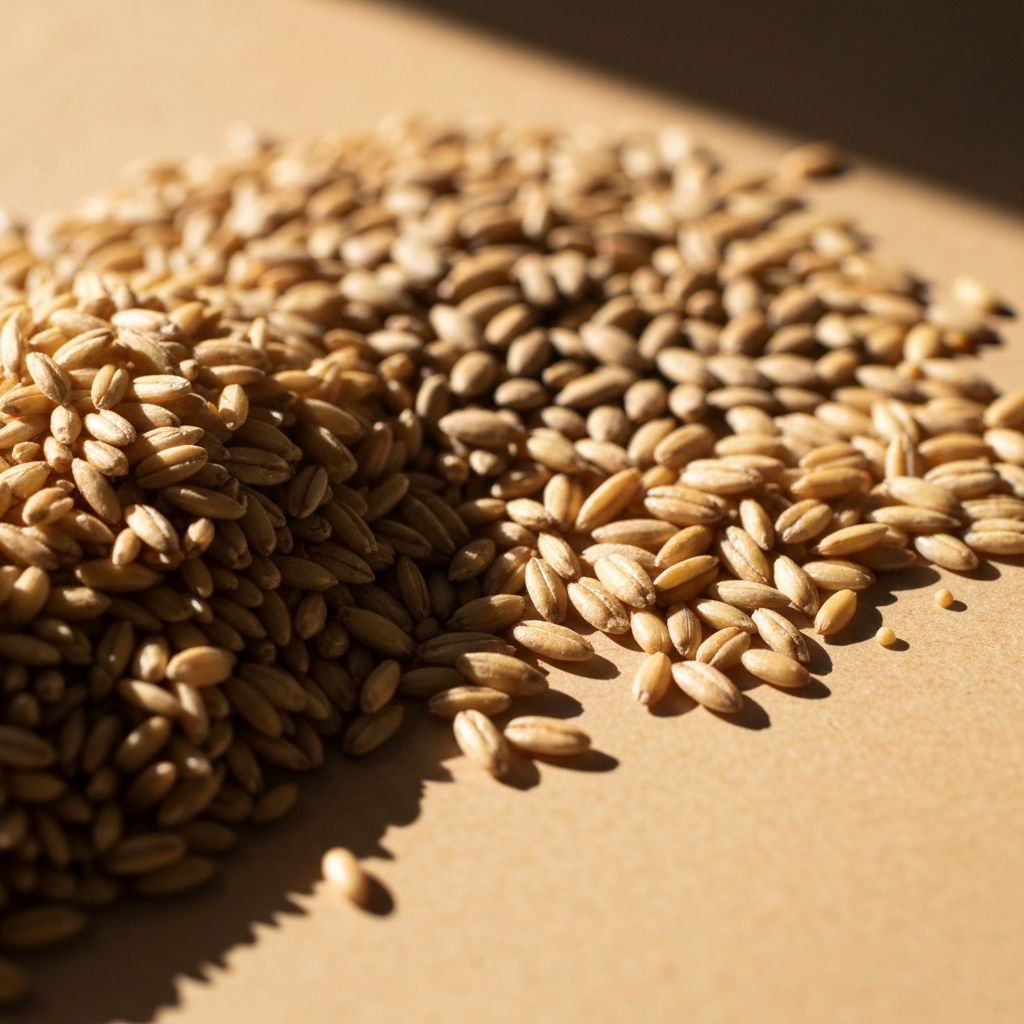
Grains and Seeds
Whole grains provide fiber, B vitamins, and minerals. They support digestive health and provide sustained energy throughout the day through complex carbohydrates.

Fruits and Vegetables
Rich in vitamins, minerals, and fiber, these foods support immune function and provide essential micronutrients. Their variety ensures a broad spectrum of nutritional benefits.

Proteins and Legumes
These sources provide amino acids necessary for muscle maintenance, enzymatic function, and various physiological processes. Both animal and plant sources contribute to nutritional diversity.
Historical Perspectives on Dietary Understanding
Nutritional science began identifying essential nutrients. Early research focused on understanding which dietary components were necessary for survival and basic health.
Systematic study of vitamins and minerals expanded. Scientists developed recommendations for nutrient intake based on growing understanding of physiological needs.
Understanding of macronutrient ratios and dietary patterns evolved. Research shifted toward examining relationships between dietary patterns and various health outcomes.
Nutritional science now recognizes the complexity of dietary effects and individual variation. Research emphasizes whole-food patterns and lifestyle integration rather than isolated nutrients.
FAQ - Frequently Explored Questions
Macronutrients (carbohydrates, proteins, and fats) are needed in larger quantities and provide energy. Micronutrients (vitamins and minerals) are needed in smaller amounts but serve critical functions in metabolism, immunity, and bone health. Both are essential for overall well-being.
Metabolism refers to the processes by which the body utilizes energy. It is influenced by physical activity, muscle mass, age, genetics, and lifestyle factors. While metabolism varies between individuals, lifestyle choices like regular activity and adequate sleep support healthy metabolic function.
Calorie awareness can be informative for some individuals. However, many people maintain healthy body weight through mindful eating, balanced nutrition, and regular activity without detailed calorie counting. The approach that works best varies from person to person.
Water is essential for digestion, nutrient transport, temperature regulation, and various metabolic processes. Adequate hydration supports overall bodily function and is often overlooked in discussions of well-being, yet it remains fundamentally important.
Yes. Gradual lifestyle modifications including regular physical activity, improved sleep, stress management, balanced nutrition, and hydration all contribute to body weight stability and overall health. Sustainable approaches typically yield better long-term outcomes than restrictive methods.
Continue Your Exploration
This site offers comprehensive educational content on nutrition and well-being. Explore our detailed articles to deepen your understanding of nutritional science and lifestyle factors.
Explore Key ConceptsImportant Notice
Educational content only. No promises of outcomes. This website provides information for educational purposes. It does not constitute medical, nutritional, or professional advice. Always consult with a qualified healthcare provider before making significant dietary or lifestyle changes.